Golden
Bulgarian
Songs
Project
Composers • Композитори


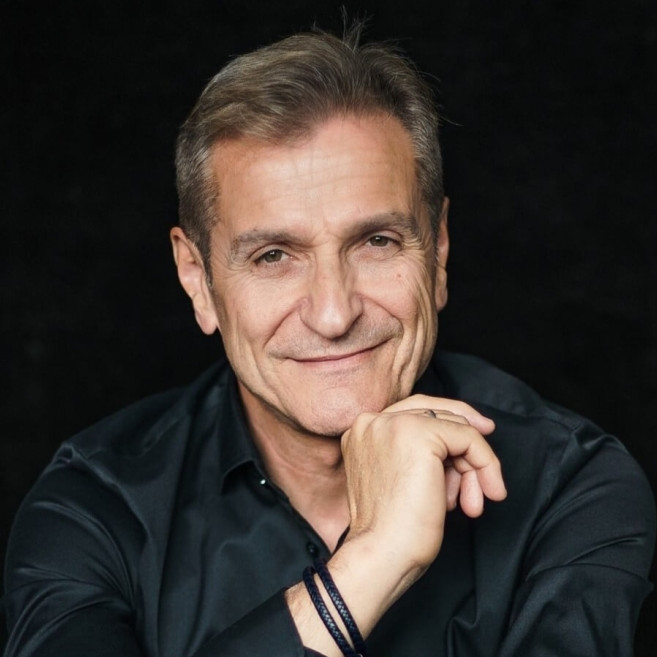


Stefan Diomov / Стефан Диомов
Stefan Diomov is one of Bulgaria’s most beloved and influential composers, whose contribution to popular music has left a deep mark on the country’s culture. He was born on February 16, 1945, in Burgas, where his musical journey began in his youth. His first musical steps involved playing the accordion at a very young age; the instrument helped him develop a strong sense of melody and rhythm, and his musical talent quickly set him apart from his peers. Diomov has dedicated his entire life to music. He not only composes but also works as a vocal teacher and artistic director, helping to nurture many young talents. He gained the widest popularity as the founder and director of the vocal groups “Tonika” and “Tonika SV,” which became iconic for Bulgarian pop music in the 1970s and 1980s. Under his leadership, these groups became the stage for many of the most beloved songs in Bulgarian pop music and left a lasting cultural legacy. Over the years, Diomov has written over 300 original songs, including hits that have enjoyed enormous success among listeners and have become part of the golden canon of Bulgarian popular music. His music has been performed by a number of famous artists, and his songs frequently win awards and recognition in music competitions. His first song, “Ballad,” won first prize at the Youth Contest for Popular Songs in 1974, and the hit “Friends” was named “Melody of the Year” in 1982—a fact that underscores his significance to the music scene in Bulgaria. In addition to his work with “Tonika,” Diomov served as artistic director for other groups such as “Magistrali,” “Goresht Piasak,” and “Pette Sezona,” demonstrating his ability to bring together diverse musical talents and develop new stage projects. He continued to create even after the 1990s, and in 2007 he formed a new group, continuing to work actively and produce music that remains a favorite with audiences. Diomov is not only a composer but also a lyricist, a writer of music for theater, film, and children’s songs, which further expands his artistic scope and influence.
In 2025, the composer celebrated his 80th birthday, an occasion marked by concerts, radio broadcasts, and nominations for prestigious awards that underscore his status as a “legend” in the history of Bulgarian music and culture. Through his music, he has managed to connect generations of listeners and create works that continue to resonate and inspire.
Стефан Диомов е един от най-обичаните и влиятелни български композитори, чийто принос към популярната музика оставя дълбока следа в културата на страната. Роден е на 16 февруари 1945 година в Бургас, където започва и неговият път в музиката още от младежките си години. Първите му музикални стъпки са свързани със свирене на акордеон още в ранна възраст, като инструментът му помага да развие силно чувство за мелодия и ритъм, а музикалният му талант бързо го отличава сред връстниците му. Диомов посвещава целия си живот на музиката. Той не само композира, но и работи като вокален педагог и художествен ръководител, спомагайки за развитието на много млади таланти. Най-широка популярност му носи ролята на основател и ръководител на вокалните състави „Тоника“ и „Тоника СВ“, които стават емблематични за българската естрада през 70-те и 80-те години на XX век. Тези групи под негово ръководство се превръщат в сцена за изпълнение на много от най-обичаните песни на българската поп музика и оставят трайно културно наследство. През годините Диомов е написал над 300 авторски песни, включително шлагери, които се радват на огромен успех сред слушателите и стават част от златния фонд на българската популярна музика. Неговата музика е изпълнявана от редица известни изпълнители, а песните му често печелят награди и признания в музикални конкурси. Първата му песен „Балада“ получава първа награда на Младежкия конкурс за забавна песен през 1974 г., а хитът „Приятели“ е обявен за „Мелодия на годината“ през 1982 г. – факт, който подчертава значението му за музикалната сцена в България. Освен работата си с „Тоника“, Диомов е бил художествен ръководител на други формации като „Магистрали“, „Горещ пясък“ и „Петте сезона“, което показва неговата способност да обединява разнообразни музикални таланти и да развива нови сценични проекти. Той не спира да твори и след 1990-те години и дори през 2007 г. създава нова формация, продължавайки да работи активно и да ражда музика, която остава любима на публиката. Диомов е не само композитор, но и текстописец, автор на музика за театър, филм и детски песни, което допълнително разширява неговия художествен обхват и влияние.
През 2025 г. композиторът отбелязва 80-годишнината си, а това събитие е отбелязано с концерти, радио предавания и номинации за престижни отличия, които подчертават неговото място като „епоха“ в историята на българската музика и култура. Чрез своята музика той успява да свърже поколения слушатели и да създаде произведения, които продължават да звучат и да вдъхновяват.
Stefan Dimitrov / Стефан Димитров
Stefan Dimitrov is one of the leading figures in Bulgarian popular music, a composer with an exceptionally rich body of work that includes dozens of songs that have become classics of Bulgarian pop music. His style is characterized by a distinct melodiousness, lyricism, and deep respect for the written word, making him a preferred collaborator for some of Bulgaria’s most prominent poets and lyricists.
Among his most famous works are songs such as “True Love,” “Star,” “A Handful of Ashes, Two Tears,” “A Memory from Childhood,” “Farewell, My Love,” and “Don’t Grow Old, Love”—works distinguished by their emotional depth and which remain firmly etched in the musical memory of the audience. These songs clearly demonstrate Stefan Dimitrov’s ability to transform personal experience into a universal message, one that is understandable and relatable to different generations.
Particularly significant is his collaboration with poets such as Peyo Panteleev and Georgi Belev, with whom he created songs focused on the themes of love, memory, time, and human vulnerability. Stefan Dimitrov’s music does not seek external effect, but builds internal tension and emotion that unfold gradually and leave a lasting impression on the listener.
His compositions have been performed by some of Bulgaria’s most prominent artists, including Lili Ivanova, Margarita Hranova, Bogdana Karadocheva, Vanya Kostova, Orlin Goranov, and Toni Dimitrova. For many of these artists, Stefan Dimitrov’s songs have become central to their repertoire and stage identity. In addition to popular music, Stefan Dimitrov has made a significant contribution to music for theater and stage productions, where he demonstrates an ability to work with dramatic text and create a musical environment that supports the action and the emotional development of the characters. In this context, his music is not merely an accompaniment but an active participant in the stage narrative. Stefan Dimitrov’s work is characterized by its enduring appeal. His songs continue to be played on the radio, in concert programs, and on television, proving that they transcend the boundaries of a specific era and retain their artistic and emotional value to this day.
Стефан Димитров е сред водещите имена в българската популярна музика, композитор с изключително богато творчество, което обхваща десетки песни, превърнали се в класика на българската естрада. Неговият стил се отличава с подчертана мелодичност, лиричност и дълбоко уважение към словото, което го прави предпочитан партньор за работа с едни от най-силните български поети и текстописци.
Сред най-известните му произведения са песни като „Обич действителна“, „Звезда“, „Шепа пепел, две сълзи“, „Спомен от детството“, „Сбогом, моя любов“ и „Не остарявай, любов“ – творби, които се отличават с емоционална дълбочина и остават трайно в музикалната памет на публиката. В тези песни ясно личи способността на Стефан Димитров да превръща личното преживяване в универсално послание, разбираемо и близко за различни поколения.
Особено значимо е сътрудничеството му с поети като Пейо Пантелеев и Георги Белев, с които създава песни, фокусирани върху темите за любовта, спомена, времето и човешката уязвимост. Музиката на Стефан Димитров не търси външен ефект, а изгражда вътрешно напрежение и емоция, които се разгръщат постепенно и оставят дълготраен отпечатък у слушателя.
Негови композиции са изпълнявани от едни от най-изявените български изпълнители, сред които Лили Иванова, Маргарита Хранова, Богдана Карадочева, Ваня Костова, Орлин Горанов и Тони Димитрова. За много от тези артисти песните на Стефан Димитров се превръщат в ключови за техния репертоар и сценична идентичност. Освен в популярната песен, Стефан Димитров има сериозен принос и в музиката за театър и сценични спектакли, където демонстрира умение да работи с драматургичен текст и да създава музикална среда, която подкрепя действието и емоционалното развитие на образите. В този контекст музиката му не е само съпровод, а активен участник в сценичния разказ. Творчеството на Стефан Димитров се характеризира с устойчивост във времето. Неговите песни продължават да звучат по радиото, в концертни програми и телевизионни формати, което доказва, че те надхвърлят рамките на конкретната епоха и запазват своята художествена и емоционална стойност и днес.
Krassimir Gyulmezov / Красимир Гюлмезов
Krasimir Gyulmezov is one of the most recognizable and beloved Bulgarian pop singers, composers, and songwriters of the late 20th and early 21st centuries. He has established himself as an artist with a distinct personality, whose style combines melodiousness, sincerity, and pronounced emotionality. His work holds a special place in Bulgarian popular music because it speaks directly about love, pain, disappointment, and hope—without unnecessary posturing or grandstanding.
Krasimir Gyulmezov was born on April 16, 1966, in Sofia. He began his musical journey in his youth, and his professional career developed actively in the late 1980s and early 1990s. He was among the first Bulgarian performers who, following the changes of 1989, managed to establish a distinct artistic identity and impose a personal style within the new musical landscape. Gyulmezov is known as a singer-songwriter who writes most of his own songs—both the music and the lyrics. This lends his work a deeply personal character and authenticity. His songs often sound like an intimate confession, like a conversation with himself or with a loved one. Among his most popular songs are “Don’t Lie to Me,” “One Life,” “Only with You,” “Love Is…,” “I’m Staying Here,” and “How Long,” which became iconic hits on the Bulgarian pop scene in the 1990s.
Krasimir Gyulmezov’s style is characterized by a clear melodic line, a ballad-like sound, and emotionally charged lyrics. He does not aggressively follow musical trends but focuses on enduring themes and feelings, which allows his songs to remain relevant over time. His voice is instantly recognizable—soft and slightly melancholic—which further enhances the impact of his ballads.
Over the years, Krasimir Gyulmezov has released several albums and actively participated in concerts, festivals, and television programs. His stage presence is always characterized by direct contact with the audience, and his songs are often perceived as part of the listeners’ personal stories. He remains consistent in his understanding of music as a means of sharing genuine emotions, rather than as a purely commercial product.
Krasimir Gyulmezov is an example of an artist who has managed to preserve his identity through various stages of the development of Bulgarian popular music. His work continues to be part of the cultural memory of several generations, and his songs still resonate today as sincere narratives of human feelings and choices.
Красимир Гюлмезов е един от най-разпознаваемите и обичани български поп изпълнители, композитори и автори на текстове от края на XX и началото на XXI век. Той се утвърждава като артист с ясно изразена индивидуалност, чийто стил съчетава мелодичност, искреност и подчертана емоционалност. Творчеството му заема особено място в българската популярна музика, защото говори директно за любовта, болката, разочарованието и надеждата – без излишна поза и ефектност.
Красимир Гюлмезов е роден на 16 април 1966 година в София. Започва музикалния си път още в младежките си години, а професионалната му кариера се развива активно от края на 80-те и началото на 90-те години. Той е сред първите български изпълнители, които след промените през 1989 г. успяват да изградят самостоятелен авторски образ и да наложат личен стил в новата музикална среда.
Гюлмезов е известен като автор-изпълнител, който сам пише голяма част от своите песни – както музиката, така и текстовете. Това придава на творчеството му силно личен характер и автентичност. Неговите песни често звучат като интимна изповед, като разговор със самия себе си или с близък човек. Сред най-популярните му песни са „Не ме лъжи“, „Един живот“, „Само с теб“, „Любовта е…“, „Оставам тук“ и „Докога“, които се превръщат в емблематични заглавия за българската поп сцена през 90-те години.
Стилът на Красимир Гюлмезов се отличава с ясна мелодична линия, баладично звучене и емоционално натоварени текстове. Той не следва агресивно музикалните моди, а залага на устойчиви теми и чувства, което позволява песните му да запазят своята актуалност във времето. Гласът му е разпознаваем – мек, леко меланхоличен, което допълнително усилва въздействието на неговите балади.
През годините Красимир Гюлмезов издава няколко албума и участва активно в концерти, фестивали и телевизионни формати. Неговото присъствие на сцената винаги е свързано с директен контакт с публиката, а песните му често се възприемат като част от личните истории на слушателите. Той остава последователен в разбирането си за музиката като средство за споделяне на истински емоции, а не като чисто комерсиален продукт.
Красимир Гюлмезов е пример за артист, който успява да съхрани своята идентичност в различни етапи от развитието на българската популярна музика. Неговото творчество продължава да бъде част от културната памет на няколко поколения, а песните му и днес звучат като искрени разкази за човешките чувства и избори.
Maria Neykova / Мария Нейкова
Maria Neykova is one of the most distinctive, original, and deeply lyrical figures in Bulgarian popular music of the 1970s and 1980s. She is a singer, composer, and lyricist whose creative style is characterized by intimacy, intellectual sensitivity, and marked psychological depth. Maria Neykova occupies a special place in Bulgarian musical culture because she constructs the song as an intimate artistic space in which music and poetry exist in complete unity.
She was born on December 21, 1945, in Plovdiv—a city that had a profound influence on her inner world and aesthetic sensibilities. The sea, silence, solitude, and a sense of freedom often serve as the emotional backdrop in her songs. From an early age, Maria Neykova showed an interest in music and literature, and later began creating her own songs, writing both the music and the lyrics herself—a rare phenomenon in Bulgarian pop music at the time, especially among female songwriters. Her creative style is characterized by minimalism, inner focus, and a rejection of external showiness. She does not seek dramatic climaxes or spectacle, but builds her songs on the nuances of feelings, on pauses, the unsaid, and psychological states. Her voice is soft, hushed, and highly recognizable, which enhances the sense of intimacy and trust between performer and listener.
Among her most iconic songs is “Are Two People Walking,” often colloquially shortened to “Two,” which has become a symbol of a mature, philosophical perspective on love and human relationships. The song does not tell a specific story but poses a question—about shared experiences, the journey together, and the fragility of the closeness between two people. Other iconic songs in her body of work include “Happiness,” “Sometimes,” “Love,” and “Mirror,” in which the central themes are loneliness, the search for meaning, inner freedom, and emotional vulnerability.
Maria Neykova also collaborates with other established songwriters and musicians, yet she always retains her clearly recognizable signature style. She consciously steers clear of commercial trends and mass popularity, which makes her presence more understated but exceptionally enduring over time. Over the years, she has gradually stepped back from the active stage, which has contributed to her almost mythical image in Bulgarian music. Maria Neykova’s work continues to be rediscovered today because it speaks to universal human conditions—love, loneliness, intimacy, and inner honesty. She remains a symbol of the intimate, poetic Bulgarian song, proving that music can be a form of reflection, silence, and a profound human presence.
Мария Нейкова е една от най-ярките, самобитни и дълбоко лирични личности в българската популярна музика от 70-те и 80-те години на XX век. Тя е певица, композитор и автор на текстове, чийто творчески почерк се отличава с камерност, интелектуална чувствителност и подчертана психологическа дълбочина. Мария Нейкова заема особено място в българската музикална култура, защото изгражда песента като интимно художествено пространство, в което музиката и поезията съществуват в пълно единство.
Родена е на 21 декември 1945 година в Пловдив – град, който оказва силно влияние върху нейния вътрешен свят и естетика. Морето, тишината, самотата и усещането за свобода често присъстват като емоционален фон в нейните песни. Още от ранна възраст Мария Нейкова проявява интерес към музиката и литературата, а по-късно започва да създава собствени песни, като сама пише и музиката, и текстовете – рядко срещано явление за българската естрада по това време, особено при жени-автори. Творческият ѝ стил се отличава с минимализъм, вътрешна концентрация и отказ от външна ефектност. Тя не търси драматични кулминации или зрелищност, а изгражда песните си върху нюансите на чувствата, върху паузата, недоизказаното и психологическото състояние. Гласът ѝ е мек, приглушен и силно разпознаваем, което засилва усещането за интимност и доверие между изпълнител и слушател.
Сред най-емблематичните ѝ песни е „Вървят ли двама“, често съкратено разговорно като „Двама“, която се превръща в символ на зрелия, философски поглед към любовта и човешките отношения. Песента не разказва конкретна история, а поставя въпрос – за споделеността, за съвместния път и за крехкостта на близостта между двама души. Други знакови песни в нейното творчество са „Щастие“, „Понякога“, „Любов“ и „Огледало“, в които централни теми са самотата, търсенето на смисъл, вътрешната свобода и емоционалната уязвимост.
Мария Нейкова работи и с други утвърдени автори и музиканти, но винаги запазва ясно разпознаваемия си авторски стил. Тя съзнателно стои настрана от комерсиалните тенденции и масовата популярност, което прави нейното присъствие по-тихо, но изключително устойчиво във времето. С годините тя постепенно се отдръпва от активната сцена, което допринася за нейния почти митичен образ в българската музика. Творчеството на Мария Нейкова продължава да бъде преоткривано и днес, защото говори за универсални човешки състояния – любов, самота, близост, вътрешна честност. Тя остава символ на интимната, поетична българска песен, доказвайки, че музиката може да бъде форма на размисъл, тишина и дълбоко човешко присъствие.
Rositsa Kirilova / Росица Кирилова
Rositsa Kirilova is one of the most established and recognizable figures in Bulgarian popular music, known both as a singer and as a composer and songwriter. She is among those artists who combine a strong stage presence with active creative work behind the scenes, crafting songs with a clear message and positive energy.
Themes such as freedom, personal choice, the joy of life, and the ability to live “here and now” occupy a central place in Rositsa Kirilova’s work. Her music often has an optimistic and motivating sound, which makes it accessible to a wide audience. As a composer, she focuses on melody, accessible harmonies, and clearly expressed emotion, which are easy to remember and have a direct impact on the listener.
Rossi Kirilova is closely associated with the song “Live for the Moment,” which has become one of her signature works. Although the lyrics were written by Dimitar Tsenov, the musical impression, interpretation, and overall image of the song are inextricably linked to her style and artistic identity. The song is perceived as a unique life-affirming call to live consciously, boldly, and fully.
Over the years, Rosy Kirilova has remained active on the Bulgarian music scene, with her work distinguished by consistency and loyalty to the idea of music as a means of inspiration and positive influence. Her contribution lies not only in her popular songs but also in her overall presence as an artist who champions values such as freedom, sincerity, and a love of life.
Росица Кирилова е една от утвърдените и разпознаваеми фигури в българската популярна музика, известна както като певица, така и като композитор и автор на музика. Тя е сред изпълнителите, които съчетават сценично присъствие с активна творческа работа зад кадър, създавайки песни с ясно изразено послание и позитивна енергия.
В творчеството на Роси Кирилова централно място заемат теми като свободата, личният избор, радостта от живота и умението човек да живее „тук и сега“. Нейната музика често носи оптимистично и мотивиращо звучене, което я прави близка до широка публика. Като композитор тя залага на мелодичност, достъпни хармонии и ясно изразена емоция, които лесно се запомнят и въздействат директно на слушателя.
Роси Кирилова е тясно свързана с песента „Живей за мига“, която се превръща в една от нейните емблематични творби. Макар текстът да е написан от Димитър Ценов, музикалното внушение, интерпретацията и цялостният образ на песента са неразривно свързани с нейния стил и артистична идентичност. Песента се възприема като своеобразен житейски призив за осъзнато, смело и пълноценно живеене.
През годините Роси Кирилова остава активна на българската музикална сцена, като нейното творчество се отличава с последователност и вярност към идеята за музиката като средство за вдъхновение и положително въздействие. Нейният принос се състои не само в популярните ѝ песни, но и в цялостното ѝ присъствие като артист, който защитава ценности като свобода, искреност и любов към живота.
Haigashod Agasyan / Хайгашод Агасян
Haigashod Agasyan was born on January 23, 1953, in Varna, into a family of Armenian descent—a cultural environment that shaped his sensibility, value system, and musical thinking. From an early age, he showed a strong interest in music, and later graduated from the Pancho Vladigerov State Music Academy in Sofia, where he received a solid professional training as a composer. His education combined academic discipline with a practical focus, which is clearly evident in the balance between artistic value and accessibility in his works.
Haigashod Agasyan is the author of hundreds of songs, many of which have become an enduring part of Bulgaria’s musical heritage. His contribution to children’s songs is particularly significant, where he succeeded in developing a unique style—cheerful, melodic, yet never simplistic. His songs for children educate through music, encouraging imagination, kindness, and a sense of community. It is precisely thanks to him that children’s songs in Bulgaria have attained high artistic value and a lasting presence. Among his most famous songs are “Prayer,” “One Life,” “Blue,” “My Childhood,” “Song of Friendship,” as well as numerous children’s songs that generations of Bulgarians know by heart.
His works have been performed by some of the biggest names in Bulgarian pop music, including Lili Ivanova, Margarita Hranova, Yordanka Hristova, Bogdana Karadocheva, Orlin Goranov, Rosy Kirilova, and many others.
Haigashod Agasyan’s style is characterized by exceptional melodic clarity, warmth, and emotional accessibility. He has a knack for creating songs that sound natural and sincere, without relying on complex effects or ostentatious virtuosity. His music often conveys light, hope, and a positive message, making it particularly enduring over time.
In addition to being a composer, Haigashod Agasyan plays an important role as a music educator and public figure. He works actively with children and young performers, supports the development of young talent, and participates in cultural and educational initiatives. His understanding of music is deeply connected to the cultivation of values—kindness, respect, humanity, and a love for the arts.
Haigashod Agasyan has received numerous awards and honors for his contribution to Bulgarian culture. His work continues to be actively performed today, and his songs are heard both on major stages and in schools, children’s festivals, and cultural events. He remains a symbol of music that not only entertains but also educates and unites.
Хайгашод Агасян е роден на 23 януари 1953 година във Варна, в семейство от арменски произход – културна среда, която оказва влияние върху неговата чувствителност, ценностна система и музикално мислене. Още от ранна възраст той проявява силен интерес към музиката, а по-късно завършва Държавната музикална академия „Панчо Владигеров“ в София, където получава солидна професионална подготовка като композитор. Образованието му съчетава академична дисциплина с практическа насоченост, което ясно личи в баланса между художествена стойност и достъпност в неговите произведения.
Хайгашод Агасян е автор на стотици песни, голяма част от които се превръщат в трайна част от българската музикална памет. Особено значим е приносът му към детската песен, където той успява да изгради уникален стил – весел, мелодичен, но никога елементарен. Песните му за деца възпитават чрез музика, насърчават въображението, добротата и чувството за общност. Именно благодарение на него детската песен в България придобива висока художествена стойност и дълготрайно присъствие. Сред най-известните му песни са „Молитва“, „Един живот“, „Синева“, „Детство мое“, „Песен за приятелството“, както и множество детски песни, които поколения българи знаят наизуст.
Негови произведения са изпълнявани от едни от най-големите имена в българската естрада, сред които Лили Иванова, Маргарита Хранова, Йорданка Христова, Богдана Карадочева, Орлин Горанов, Роси Кирилова и много други.
Стилът на Хайгашод Агасян се характеризира с изключителна мелодична яснота, топлина и емоционална достъпност. Той умее да създава песни, които звучат естествено и искрено, без да разчитат на сложни ефекти или показна виртуозност. Музиката му често носи светлина, надежда и позитивно послание, което я прави особено устойчива във времето.
Освен като композитор, Хайгашод Агасян има важна роля и като музикален педагог и обществена фигура. Той работи активно с деца и млади изпълнители, подкрепя развитието на млади таланти и участва в културни и образователни инициативи. Неговото разбиране за музиката е дълбоко свързано с възпитанието на ценности – доброта, уважение, човечност и любов към изкуството.
Хайгашод Агасян е носител на множество награди и отличия за приноса си към българската култура. Творчеството му продължава да бъде активно изпълнявано и днес, а песните му звучат както на големи сцени, така и в училища, детски фестивали и културни събития. Той остава символ на музика, която не просто забавлява, а възпитава и обединява.


The Golden Bulgarian Songs in Europe and Around the World
A cultural project presenting iconic Bulgarian songs to international audiences through new arrangements and poetic translations.
Funded by the European Union – NextGenerationEU, through the National Recovery and Resilience Plan of the Republic of Bulgaria.